
CPAP Alternatives
Learn More
Living with sleep apnea can quietly reshape every part of daily life, which is why many patients across Denver, Castle Rock, Parker, and Highlands Ranch begin searching for CPAP Alternatives after struggling with traditional continuous positive airway pressure therapy.
While CPAP is widely prescribed and effective for many, discomfort, noise, and difficulty sleeping with a face mask often make long-term use challenging, leading patients to explore more comfortable, lifestyle-friendly treatment options.

We work with people who want relief without feeling trapped by equipment.
Our focus is on providing a CPAP alternative that prioritizes comfort, consistency, and real-world use. Oral appliance therapy is a non-CPAP treatment option that aligns with modern sleep medicine and the realities of everyday sleep.
The Challenges of Traditional CPAP Therapy
CPAP therapy uses a machine to deliver air pressure through a hose and face mask to keep the airway open during sleep.
For some, this positive airway pressure can reduce apnea events and stabilize blood oxygen levels. However, the experience of sleeping with a CPAP machine is not always simple. Common concerns we hear from patients include dry mouth, skin irritation, difficulty tolerating air pressure, and disrupted sleep caused by noise or mask leaks.
Some patients feel confined by the tubing or struggle to sleep comfortably in their preferred position. Others find that travel becomes complicated due to power requirements and bulky equipment.
In clinical practice, adherence is one of the biggest barriers. Research published in sleep medicine journals consistently shows that a large percentage of patients prescribed CPAP do not use it regularly enough to achieve effective treatment. When patients cannot tolerate CPAP, even the most advanced technology cannot deliver results.
Sleep apnea does not improve when therapy sits unused. That is where CPAP alternatives play an important role.
CPAP vs. Oral Appliance: A Clear Comparison
Choosing the right sleep apnea treatment depends on more than clinical effectiveness alone. Below is a clear, side-by-side look at how CPAP therapy and oral appliance therapy compare in real-world comfort, consistency, and long-term results.

This approach can be effective for obstructive sleep apnea, including severe sleep apnea in certain patients. With that said, it requires nightly use of a machine, tubing, and a face mask. Even when clinically effective, many patients struggle to tolerate CPAP long term.
CPAP therapy is also referred to as positive airway pressure CPAP, a treatment designed to prevent airway collapse by delivering a steady flow of air during sleep.
.svg)
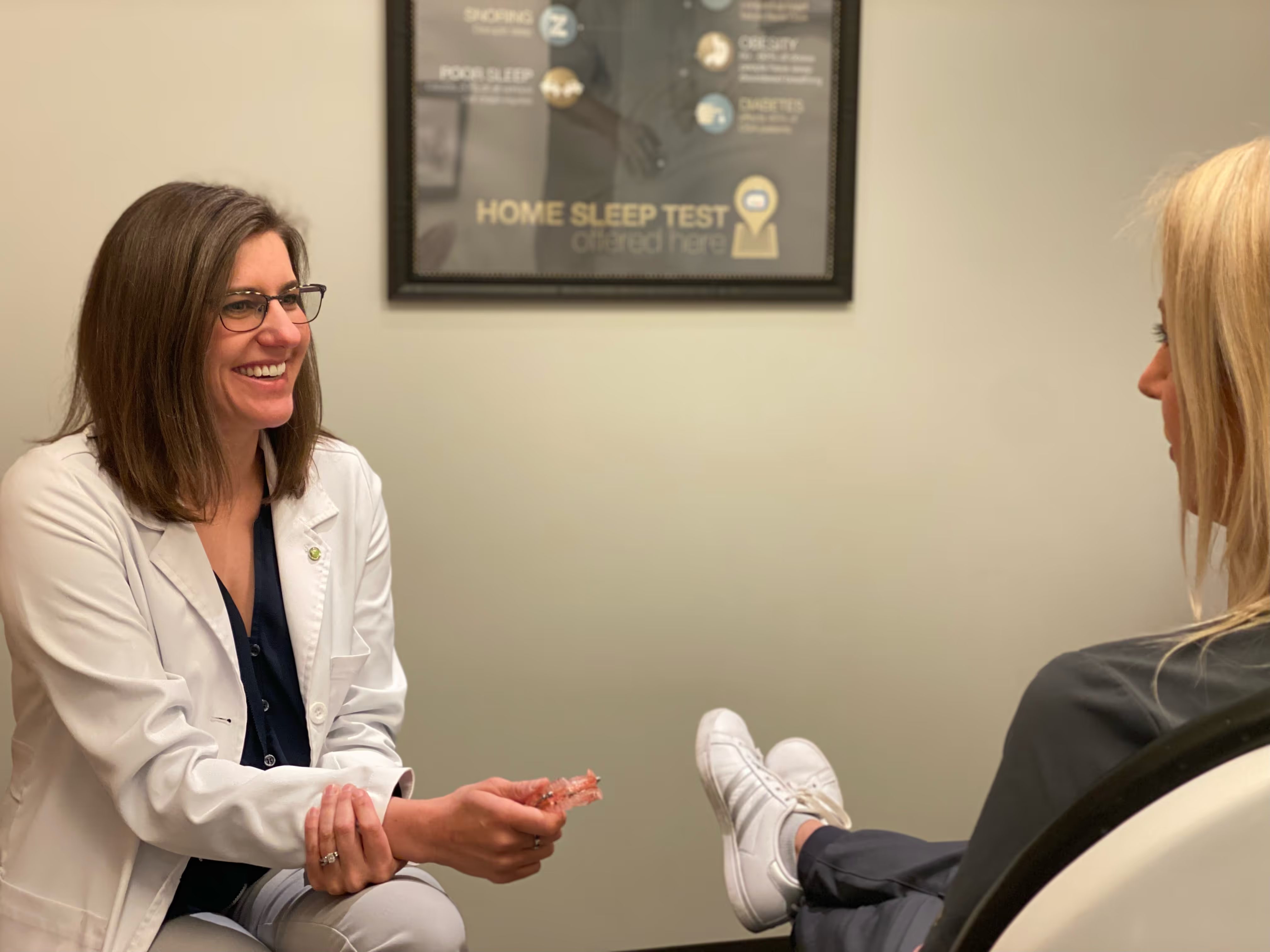
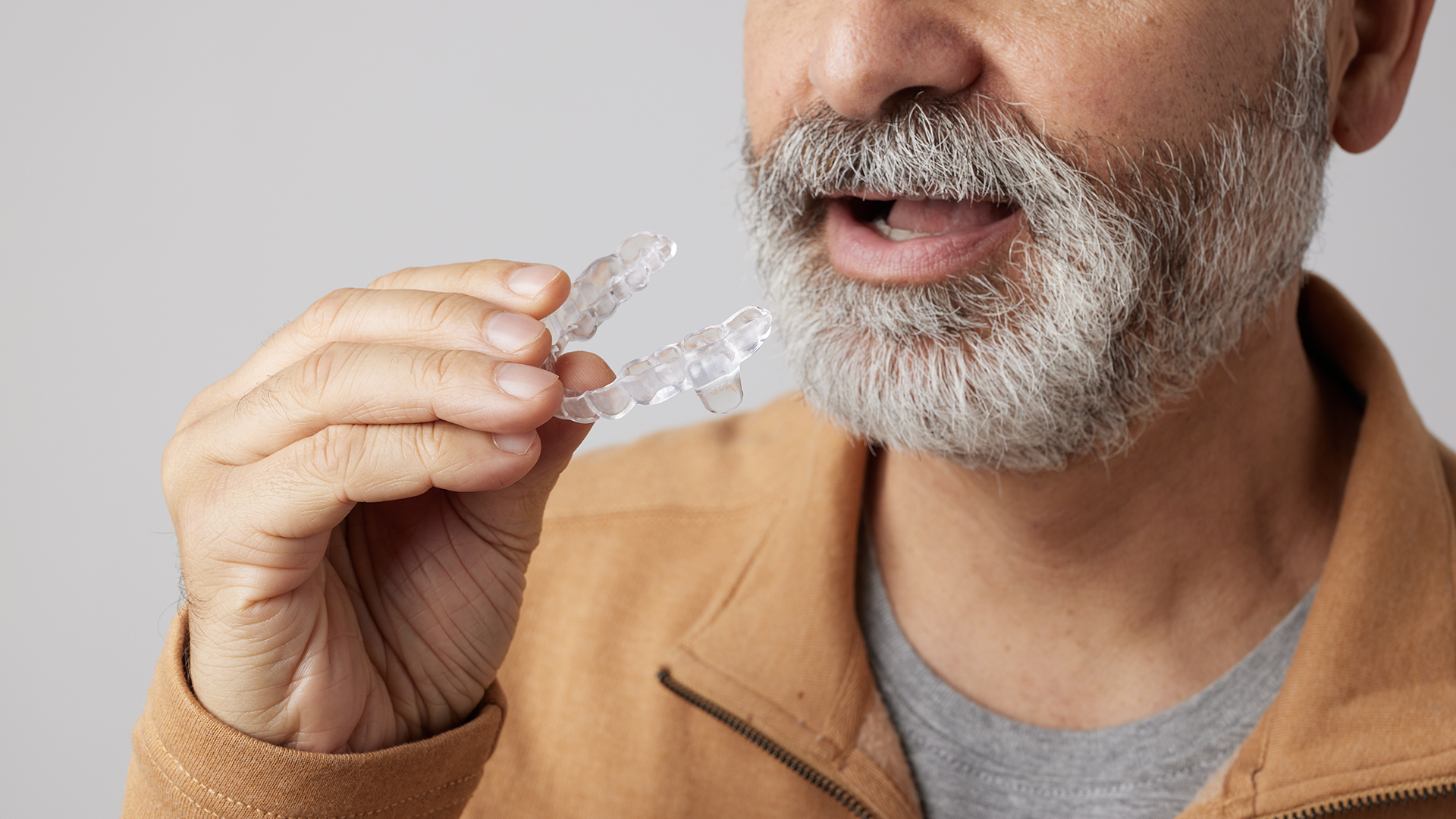
Oral appliance therapy uses a custom-fitted sleep apnea dental device worn inside the mouth. These oral appliances gently guide the lower jaw forward, which helps stabilize the upper airway and keep the airway open throughout sleep.
Mandibular advancement devices are the most common form of oral appliance therapy. These devices are FDA approved and supported by clinical trials showing effectiveness for moderate obstructive sleep apnea and select cases of severe OSA when CPAP isn't tolerated.
.svg)
Because oral appliance therapy integrates into natural sleep, patients are more likely to use it consistently. Consistent use leads to better outcomes in treating sleep apnea and reducing symptoms such as daytime sleepiness, snoring, and fatigue.
.svg)
Studies show that while CPAP can reduce apnea hypopnea index more aggressively, oral appliance therapy achieves similar real-world outcomes due to higher adherence. When patients actually use their therapy, breathing patterns stabilize and oxygen levels improve.
Effective treatment isn't only about numbers from a sleep study. It's about how patients feel and function during the day.
CPAP Therapy - Uses pressurized air to keep the airway open during sleep.
Oral Appliance Therapy - Repositions the jaw to maintain an open airway naturally.
CPAP Therapy - Machine, mask, tubing, and electricity are required.Uses pressurized air to keep the airway open during sleep.
Oral Appliance Therapy - Small, custom-fitted dental device.
CPAP Therapy - Often uncomfortable or noisy for some patients.
Oral Appliance Therapy - Quiet, compact, and comfortable to wear.
CPAP Therapy - Lower long-term use for many patients.
Oral Appliance Therapy - Higher adherence due to ease of use.Small, custom-fitted dental device.
CPAP Therapy - Very effective when used consistently.
Oral Appliance Therapy - Similar real-world results due to better adherence.
CPAP Therapy - Patients who tolerate mask-based therapy.
Oral Appliance Therapy - Mild–moderate OSA and CPAP-intolerant patients

.avif)
Who We Serve Across Denver Metro
We serve patients throughout Denver, Castle Rock, Parker, Highlands Ranch, and nearby communities. Many of our patients commute, travel frequently, or lead active lifestyles that make bulky equipment impractical.
We work with adults who have been diagnosed with obstructive sleep apnea OSA, as well as individuals experiencing symptoms such as loud snoring, daytime sleepiness, headaches, or waking up gasping or choking when they stop breathing at night.
Our care model is built around personalized attention and continuity. Patients work with the same provider throughout their journey, from initial consultation through long term follow up.
Step by Step Patient Journey at Snoring and Sleep Apnea Center
We also review prior sleep study results if available. If a diagnosis has not been confirmed, we coordinate a home sleep apnea test through board certified sleep physicians. We don't diagnose sleep apnea ourselves, but we remain actively involved throughout the process.
Some patients may have central sleep apnea, which involves neurological signaling rather than airway obstruction. Oral appliance therapy is designed for obstructive sleep apnea and may not be appropriate for central sleep apnea in certain patients. We work closely with healthcare providers to determine the correct diagnosis.
For patients who can't tolerate CPAP or prefer a CPAP alternative, we evaluate candidacy for oral appliance therapy based on airway anatomy, severity, and comfort goals.
Some patients also rely on sleeping pills to fall asleep with a CPAP machine, but these medications do not treat the underlying airway obstruction and may mask symptoms of sleep apnea rather than resolve them.
We may recommend follow up sleep testing to confirm treatment effectiveness and monitor oxygen levels.
We select from FDA approved devices that meet clinical standards and allow for fine adjustments over time.
How Oral Appliance Therapy Supports Healthy Sleep
Supporting the Upper Airway
Obstructive sleep apnea occurs when throat muscles relax and collapse the upper airway during sleep. Oral appliances work by stabilizing the lower jaw and tongue, reducing obstruction in the throat and soft palate.
By guiding the jaw forward, the sleep apnea dental device helps maintain airflow and prevent apnea events without relying on air pressure.
.svg)
Effects on Breathing and Oxygen
Consistent use of oral appliances improves breathing stability, reduces apnea frequency, and supports healthier blood oxygen levels during sleep. Patients often report fewer awakenings, reduced snoring, and improved sleep quality.
Improved breathing during sleep reduces strain on the cardiovascular system and lowers risks associated with untreated sleep apnea, including high blood pressure and motor vehicle accidents linked to daytime sleepiness.
The Role of Lifestyle Changes in Treating Sleep Apnea
While oral appliance therapy can be an effective treatment, comprehensive care may include additional strategies.
Weight loss, quitting smoking, and managing nasal congestion can improve outcomes. Orofacial therapy may be recommended to support tongue and muscle coordination in select cases.
We view sleep apnea treatment as a collaborative process rather than a single intervention.

Why Patients Choose Snoring and Sleep Apnea Center
We focus exclusively on dental sleep medicine and oral appliance therapy. Our practice model emphasizes continuity, personalized care, and clear communication. Patients across Denver Metro appreciate working with one provider who understands their story and follows their progress over time.
We coordinate closely with sleep physicians and healthcare providers to ensure care is aligned with sleep medicine standards.
Frequently Asked Questions
Take the Next Step Toward Better Sleep
Sleep apnea doesn't have to define your nights or your days. If CPAP hasn't worked for you, a CPAP alternative may offer relief that feels manageable and sustainable.
We invite patients from Denver, Castle Rock, Parker, and Highlands Ranch to explore whether oral appliance therapy is right for them. Better sleep starts with understanding your options.
Reach out to our dedicated team today to begin your journey toward quieter nights and healthier sleep. To schedule your consultation, call us at 303-529-1769 or contact us online.